Modern & Professional Resume Design: Get Hired Faster
In the competitive landscape of job hunting, your resume is your personal brand's flagship document. It is the first handshake, the initial impression, and often the deciding factor between landing an interview or being overlooked. Many professionals underestimate the visual impact of their curriculum vitae. If your resume hasn’t been updated in five years, the rules have changed significantly. Today, a Modern & Professional Resume Design isn't just a luxury for graphic designers; it is a necessity for anyone serious about their career trajectory. You don't need to be a typographer to create a stunning document, but you do need the right tools and a little direction.
The Anatomy of a Modern Resume
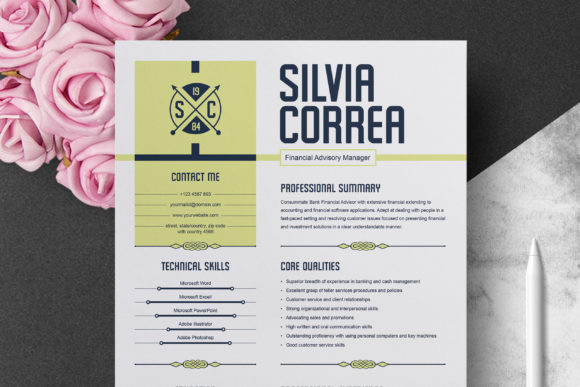
When we talk about modern resume design, we are referring to a specific set of visual characteristics that prioritize clarity, organization, and aesthetic appeal. Gone are the days of dense, single-spaced paragraphs in Times New Roman. A modern design utilizes visual hierarchy to guide the recruiter’s eye to the most critical information first. This involves the strategic use of whitespace, which gives the document room to breathe, and a balanced layout that feels open and inviting rather than cluttered.
The personality of a modern template is confident and clean. It often employs a sans serif font for the body text to ensure high legibility on screens, while perhaps pairing it with a sleek serif or a subtle geometric font for headings. The overall appeal is professional yet approachable. It signals to the employer that you understand current trends and pay attention to detail—qualities that are transferable to any job role. By utilizing a template that already has these design principles baked in, you are effectively borrowing the expertise of a professional designer.
Flexibility Across Platforms and Professions
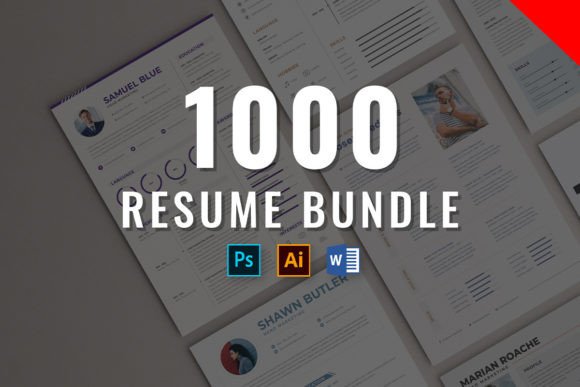
One of the biggest hurdles in creating a standout resume is software compatibility. A Modern & Professional Resume Design needs to work wherever you are working. High-quality templates today are built with versatility in mind, offering file formats that span the entire creative and corporate spectrum. Whether you are comfortable in Microsoft Word on a PC, Mac Pages, or the Adobe Creative Suite like Photoshop (PSD) and Illustrator (EPS), there is a file format for you.
This flexibility allows the design to serve a wide array of audiences. A marketing manager might use the Word version for a quick update, while a graphic designer might prefer the PSD file to fine-tune the kerning and color palettes. The key is that the design assets are adaptable. You aren't locked into a rigid structure. You can delete sections you don't need or add new ones to highlight specific projects. This adaptability makes the design suitable for everyone from corporate executives to creative freelancers and small business owners.
Mastering Customization and Brand Identity
A template should be a starting point, not a cage. The true power of a high-quality resume kit lies in its customizability. When you download a premium template, you should expect to change every single word, but also every visual element. This includes the color of the text, the icons, and the accent lines. Why is this important? Because your resume must align with your personal brand identity.
If you are applying for a role in a traditional law firm, you might stick to navy and slate grays. If you are a creative director, you might swap those out for a bold coral or a deep teal. The ability to change fonts—whether you prefer a classic serif font or a clean sans serif—ensures that the document feels uniquely yours. This level of control allows you to create a cohesive look across your cover letter, thank you notes, and even your portfolio, reinforcing your professionalism and attention to detail.
Practical Guidance for Implementation
Getting started with a modern resume template is straightforward, provided you have the right requirements. You will need a computer (Mac or PC) and the appropriate software. While Photoshop and Illustrator offer the most control over graphic elements, Microsoft Word and Pages are incredibly powerful for text-heavy documents and are much easier to edit for the average user. Remember, Pages is now free on the App Store, making it a viable option for Mac users who don't want to pay for Microsoft Office.
Once you have your files unzipped, the process is simple: type your resume information over the "dummy" text provided. However, a few best practices will elevate your result:
- Check the Fonts: Ensure you install the free fonts linked in the instructions file. A design relies heavily on the specific typeface chosen by the creator.
- Don't Overdo It: While you can change the fonts, try to stick to two fonts maximum—one for headings and one for body text—to maintain a clean look.
- PDF Export: Always save your final document as a PDF before sending it. This locks in your formatting so it looks the same on the recruiter's screen as it does on yours.
The Impact on Your Job Search
Ultimately, the goal of using a Modern & Professional Resume Design is to get hired. A well-structured document improves readability, ensuring that recruiters—who often spend only six seconds scanning a resume—can find your skills and experience immediately. It demonstrates that you value quality and professionalism. In a stack of hundreds of generic, text-heavy documents, a clean, modern design stands out. It shows you are prepared, organized, and ready to contribute. Don't let an outdated format hold your career back; update your design and step into your next interview with confidence.